
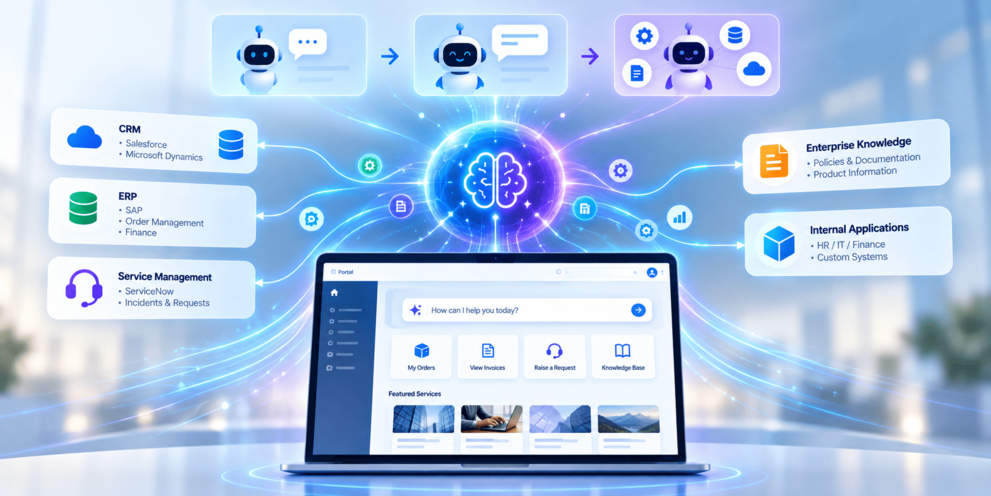
For the last several years, conversational AI has been one of the most visible applications of artificial intelligence in digital experiences. Organizations introduced chatbots to answer frequently asked questions, guide users through websites and reduce the volume of routine support requests….
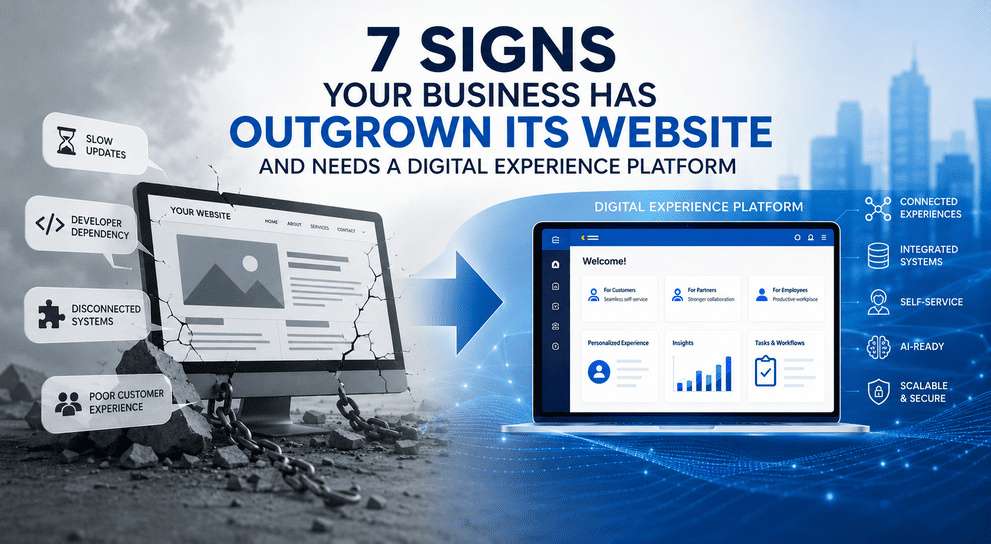
7 Signs Your Business Has Outgrown Its Website (And Needs a Digital Experience Platform)
For many organizations, the company website starts as a simple marketing tool—a place to showcase services, publish news, and provide contact information. As the business grows, so do customer expectations, internal processes, and digital initiatives. What was once a straightforward website…
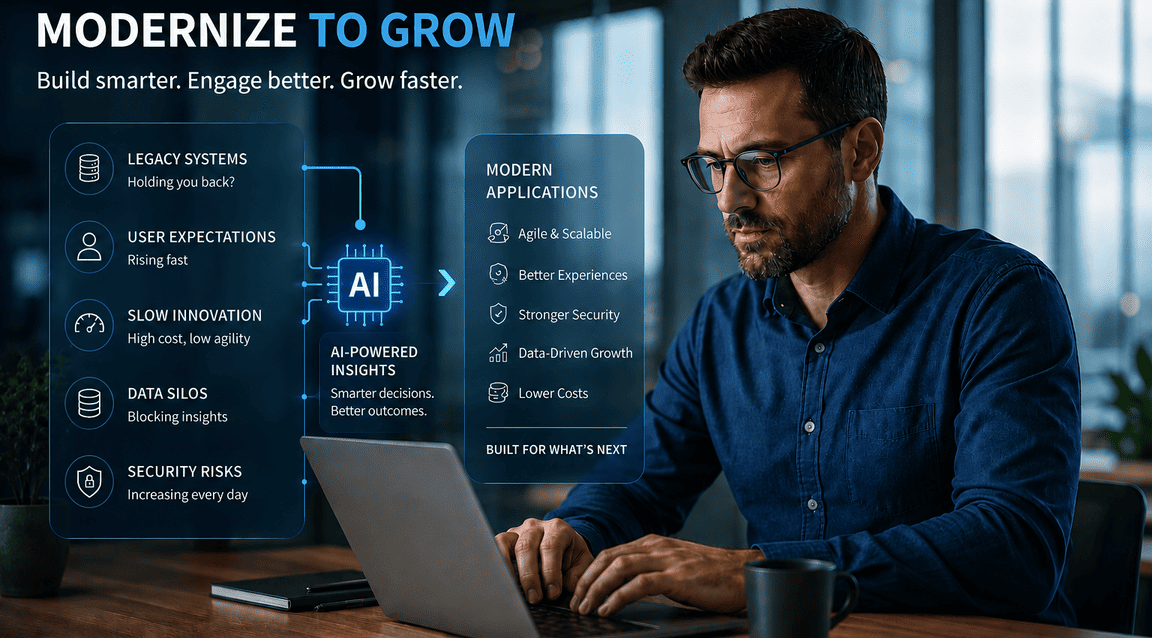
10 Signs Your Organization Needs Application Modernization in 2026
Technology is evolving faster than ever, yet many organizations continue to rely on applications built years—or even decades—ago. While these systems may still function, they often create barriers to innovation, limit business agility, and increase operational risk. Application modernization is no…
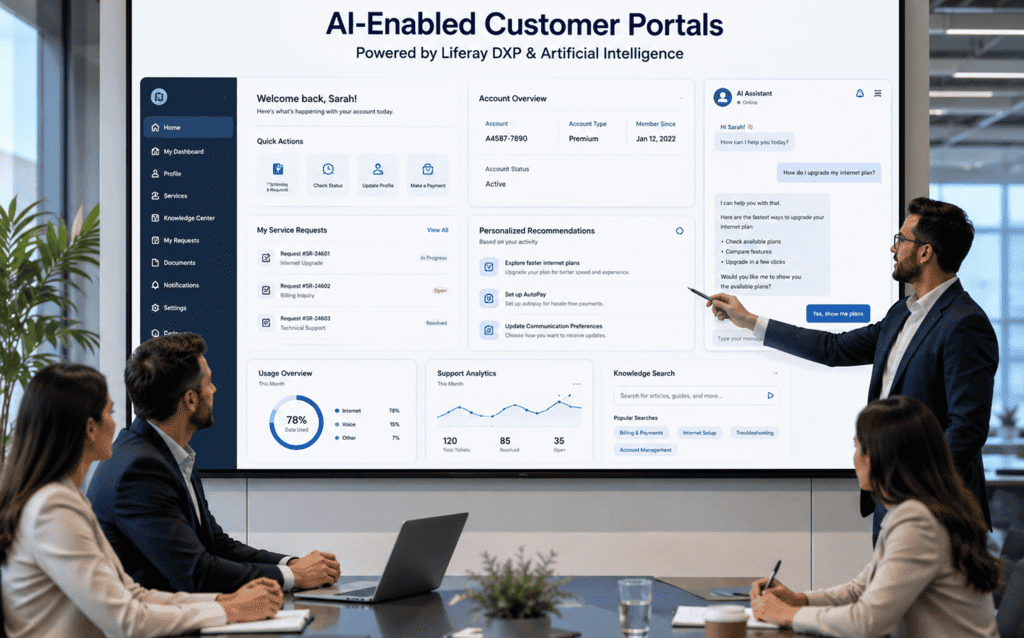
Building AI-Enabled Customer Portals with Liferay DXP
The Future of Customer Experience Is Intelligent For years, customer portals have served as digital gateways for organizations to provide information, support self-service transactions, and streamline customer interactions. While these portals have helped businesses improve accessibility and reduce operational costs, customer…
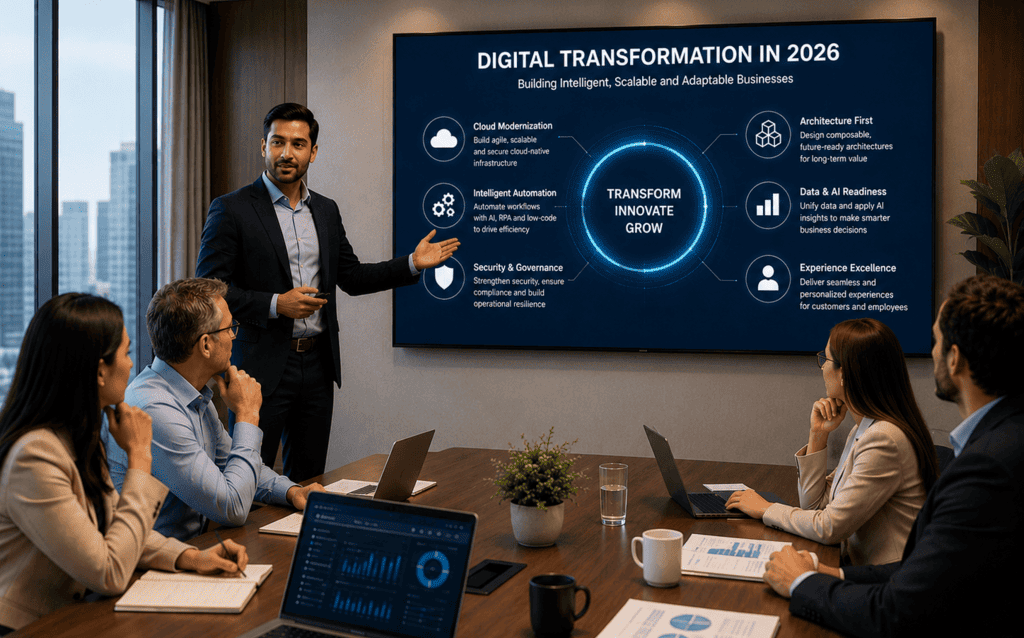
What Digital Transformation Actually Means in 2026
For years, digital transformation was treated as a technology modernization exercise. Organizations upgraded websites, migrated applications to the cloud, and automated selected workflows, yet many businesses continued operating with the same fragmented processes, disconnected systems, and legacy decision-making models. In 2026,…
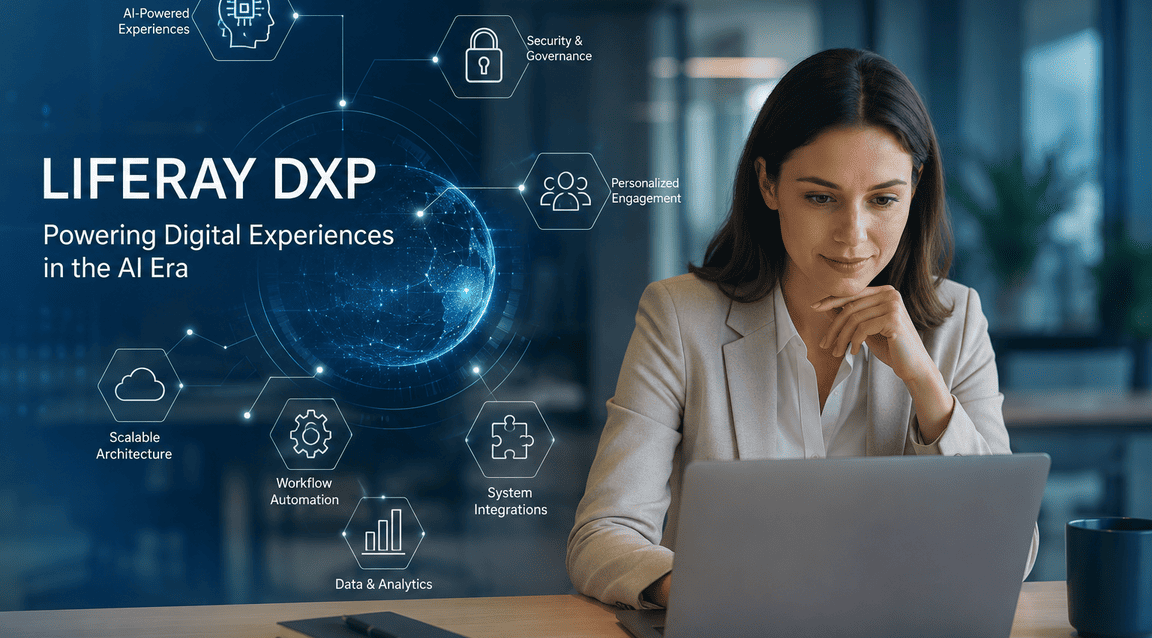
Why Liferay DXP Still Makes Sense in the AI Era
Artificial Intelligence is reshaping how businesses build digital products, automate operations, and engage customers. From AI-powered assistants to intelligent automation and predictive analytics, organizations are rapidly adopting AI technologies to accelerate innovation and improve decision-making. At the same time, many enterprise…
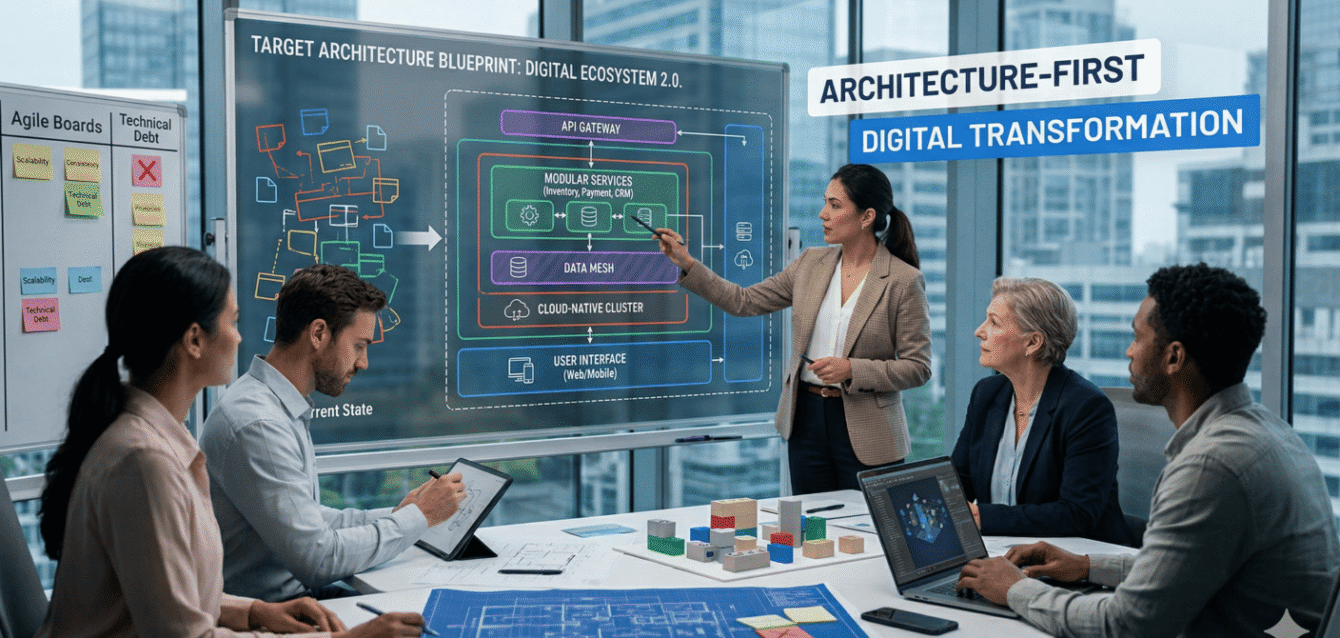
Architecture-First Digital Transformation: Why It Matters
Introduction Digital transformation has become a strategic priority for organizations looking to stay competitive in an increasingly digital world. Yet, despite significant investments in new platforms, cloud adoption, and modern engineering practices, many initiatives fail to deliver lasting value. Systems become…

Navigating Enterprise Modernization: 10 Common Mistakes and How to Avoid Them
Enterprise modernization is often positioned as a technology upgrade. In reality, it is a structural shift in how systems, teams, and business capabilities evolve together.Most organizations don’t fail because of lack of investment or intent. They fail because modernization is approached…

From Legacy to Cloud: A Structured Transformation Approach
In today’s digital-first landscape, the shift from legacy systems to cloud platforms is no longer optional—it is a strategic necessity. Increasing demand, distributed workforces, and the need for real-time scalability are pushing organizations to rethink traditional IT models. Legacy, on-premise environments—while…
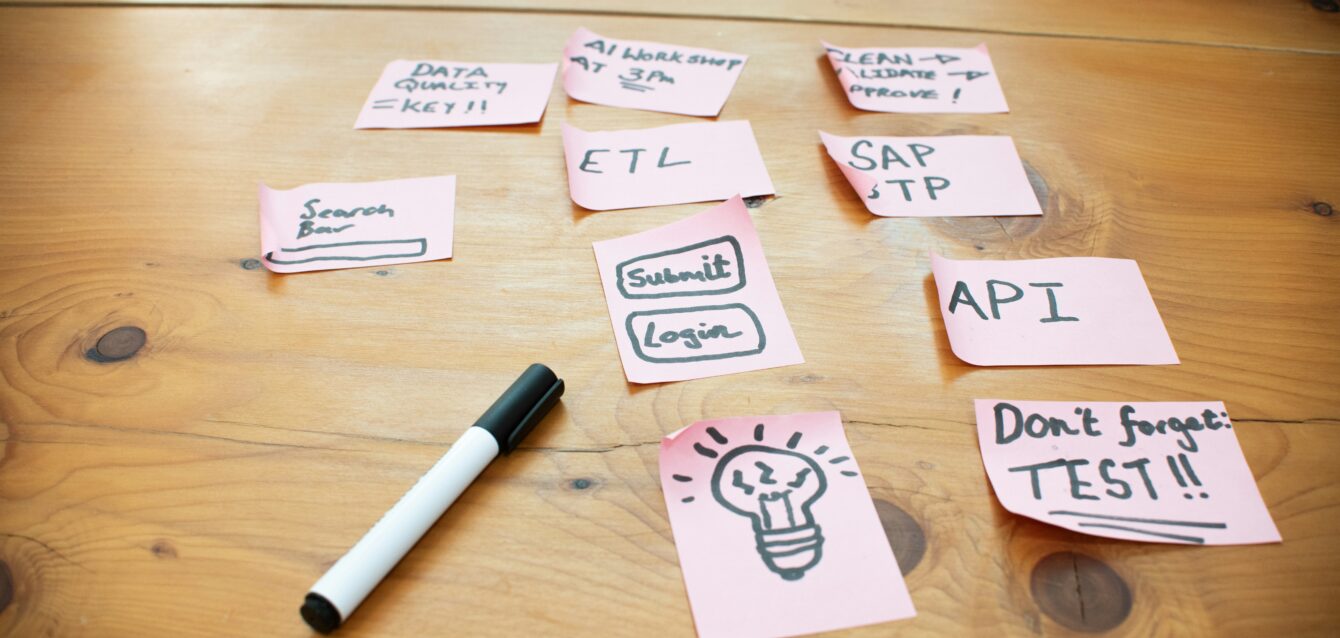
Building Scalable Digital Platforms for Long-Term Growth
In today’s digital landscape, short-term wins are no longer enough to sustain meaningful growth. Businesses that rely solely on campaigns, quick optimizations, or isolated digital initiatives often find themselves rebuilding systems every few years. Sustainable growth, however, comes from something far…