
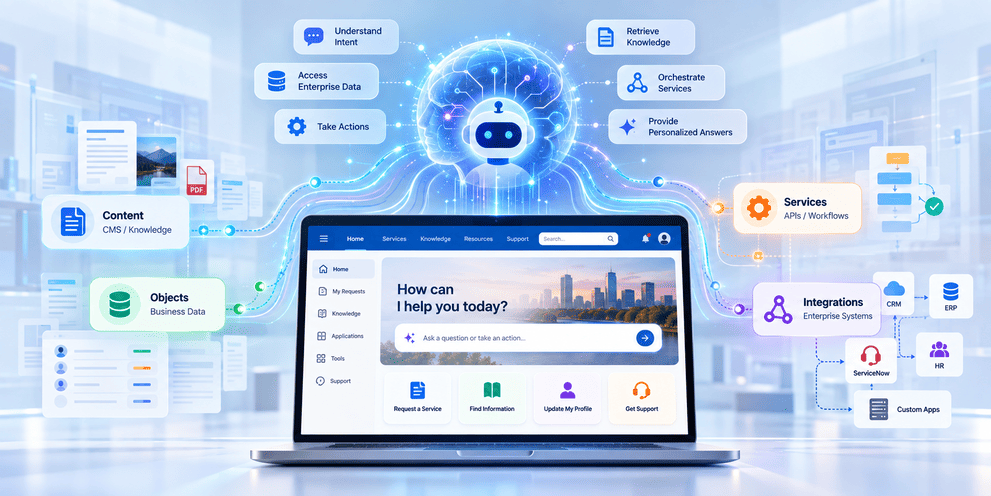
AI agents are quickly changing how we think about enterprise digital experiences. Traditional AI assistants were primarily designed to answer questions. Give them a prompt, provide some context, and they generate a response. AI agents take this further. They can reason…
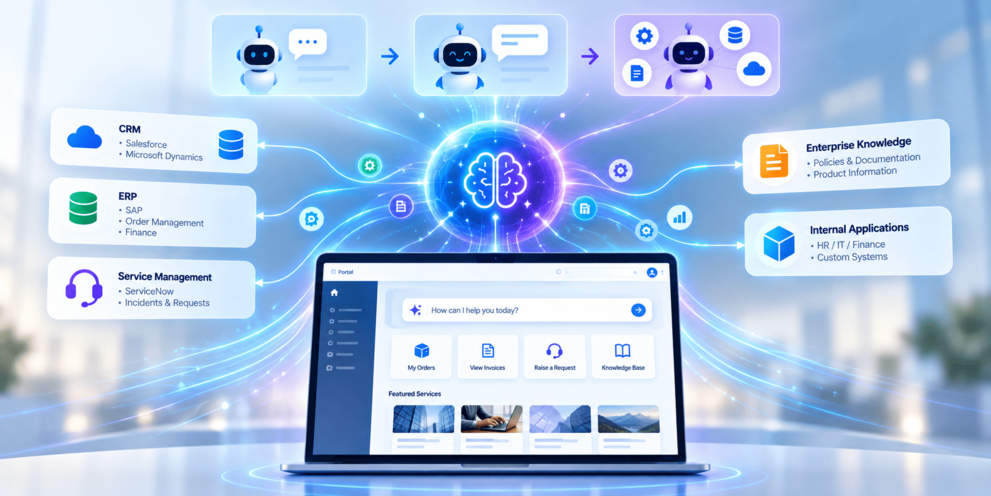
From AI Chatbots to AI Agents with Liferay DXP
For the last several years, conversational AI has been one of the most visible applications of artificial intelligence in digital experiences. Organizations introduced chatbots to answer frequently asked questions, guide users through websites and reduce the volume of routine support requests….
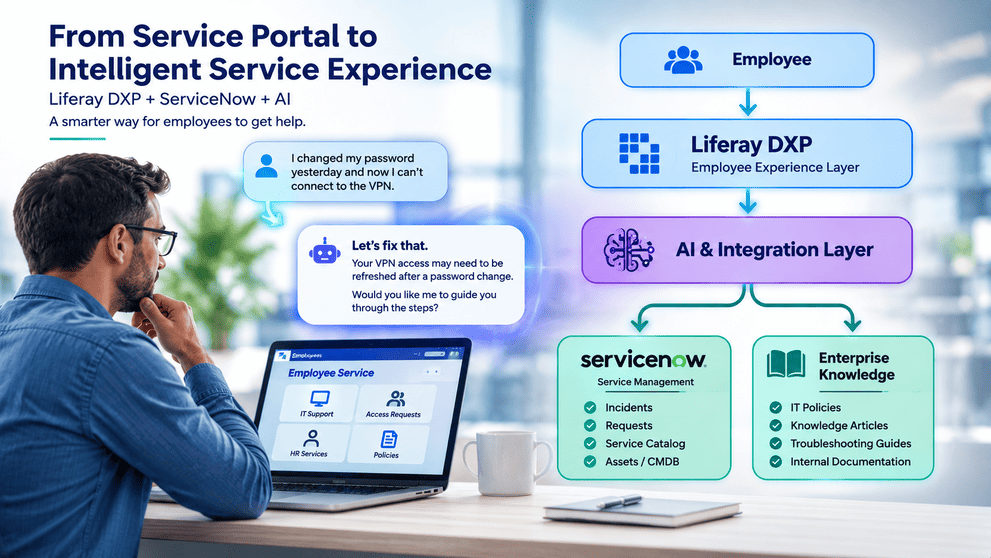
Liferay + ServiceNow + AI: Intelligent Service Management
Enterprise service portals have come a long way. They are more accessible, better organized, and increasingly integrated with platforms such as ServiceNow. Yet for many employees, the fundamental experience of getting help has changed surprisingly little. When an employee encounters an…
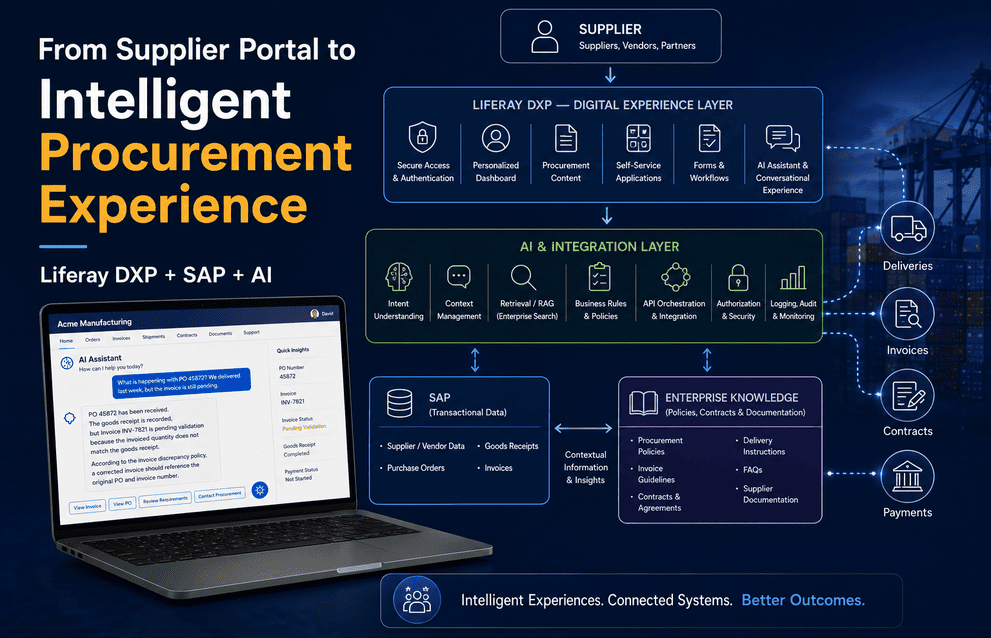
Intelligent Procurement with Liferay DXP, SAP and AI
Supplier portals have been part of enterprise procurement strategies for years. They provide suppliers with a digital channel to access purchase orders, submit invoices, review documentation, track transactions and communicate with procurement teams. But while these portals have successfully moved many…
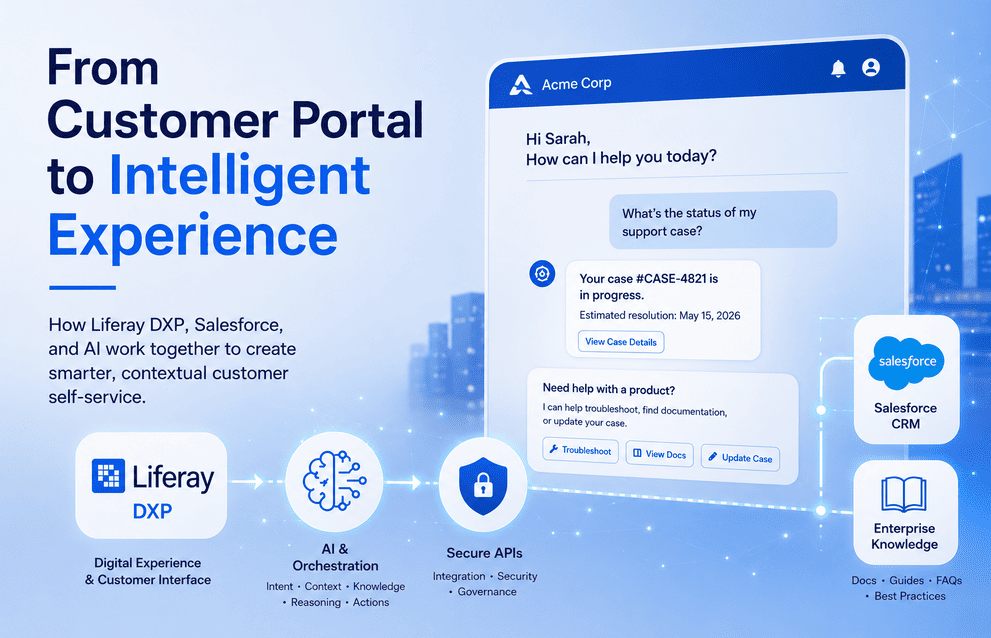
AI-Powered Customer Portal with Liferay DXP and Salesforce
The Traditional Customer Portal Problem Customer portals have transformed how organizations provide digital services. Instead of relying on emails, phone calls, or support teams for every interaction, customers can log in to access account information, find documentation, track support requests, and…
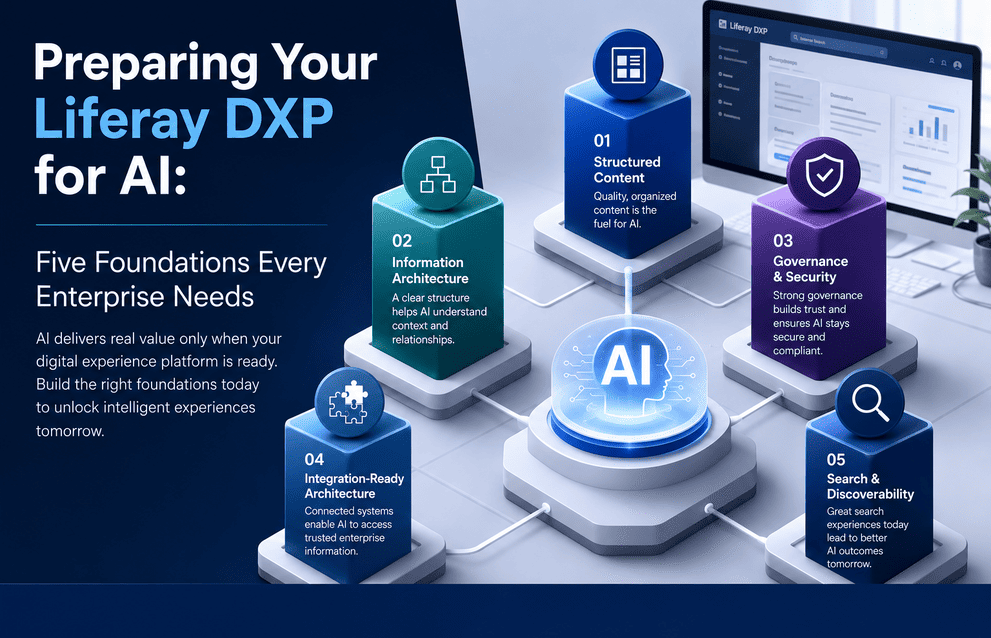
Preparing Your Liferay DXP for AI: 5 Essential Foundations
Artificial Intelligence is quickly becoming a strategic priority for organizations across every industry. Whether it’s AI-powered search, intelligent virtual assistants, personalized customer experiences, or enterprise copilots, businesses are looking for ways to leverage AI to improve productivity, enhance customer engagement, and…
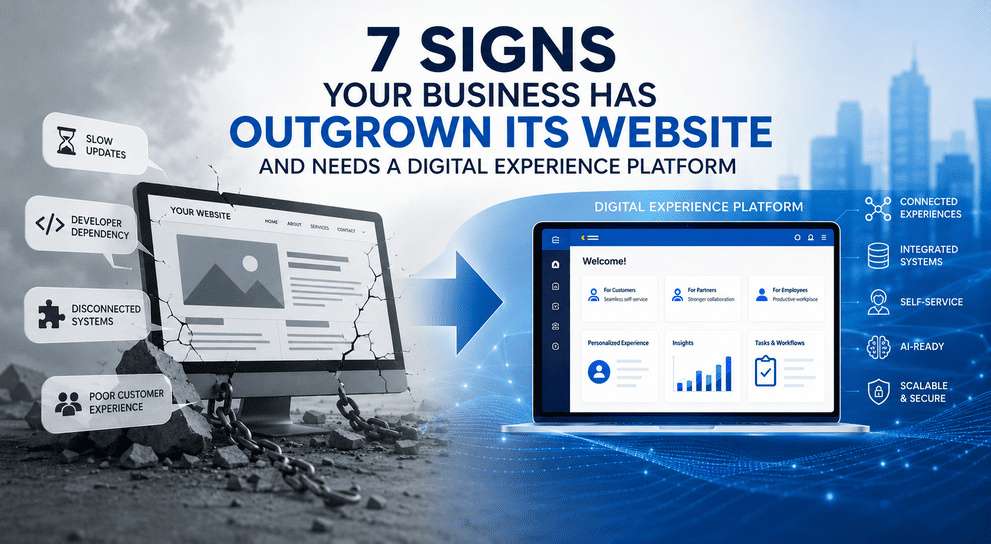
7 Signs Your Business Has Outgrown Its Website (And Needs a Digital Experience Platform)
For many organizations, the company website starts as a simple marketing tool—a place to showcase services, publish news, and provide contact information. As the business grows, so do customer expectations, internal processes, and digital initiatives. What was once a straightforward website…
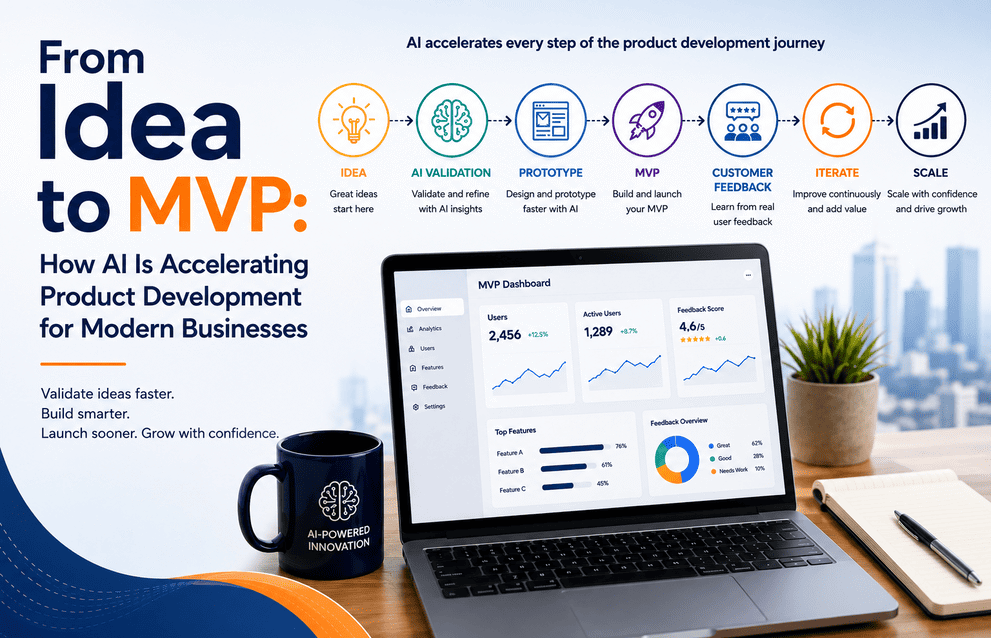
From Idea to MVP: How AI Is Accelerating Product Development for Modern Businesses
Every business has ideas. Some have ideas for a new customer portal. Others want to launch a digital service, automate an internal process, or create a SaaS product that solves an industry problem. The challenge isn’t usually the idea—it’s turning that…
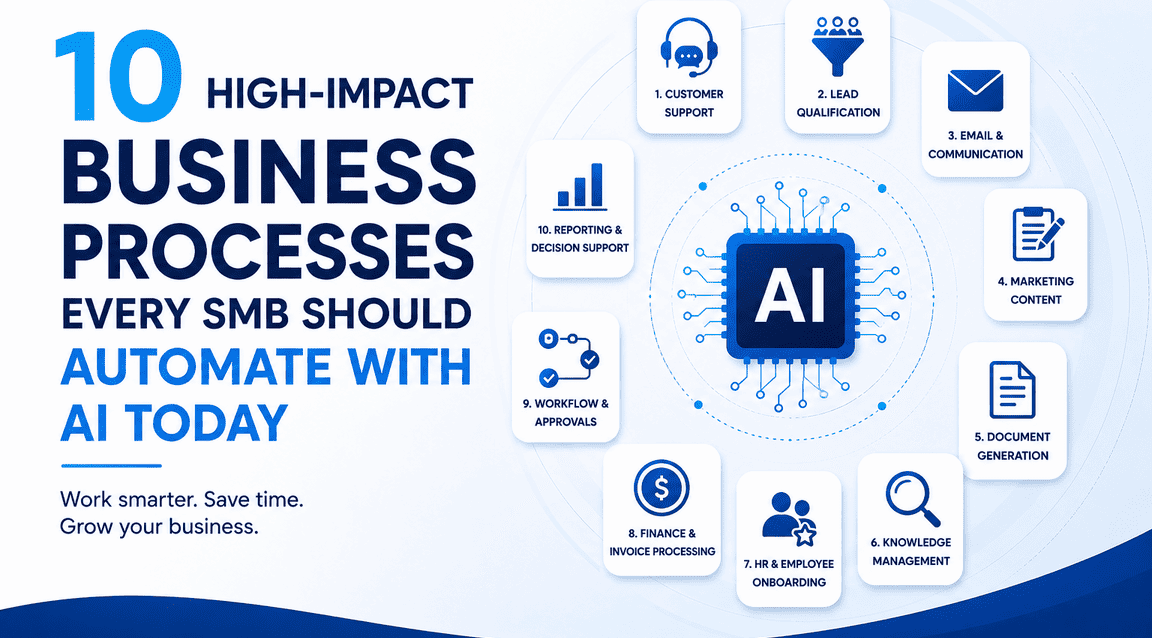
10 High-Impact Business Processes Every SMB Should Automate with AI Today
Introduction Artificial Intelligence has moved well beyond being a technology reserved for large enterprises. Today, affordable AI solutions and intelligent automation platforms allow small and medium-sized businesses (SMBs) to improve efficiency, reduce manual work, and deliver better customer experiences without replacing…
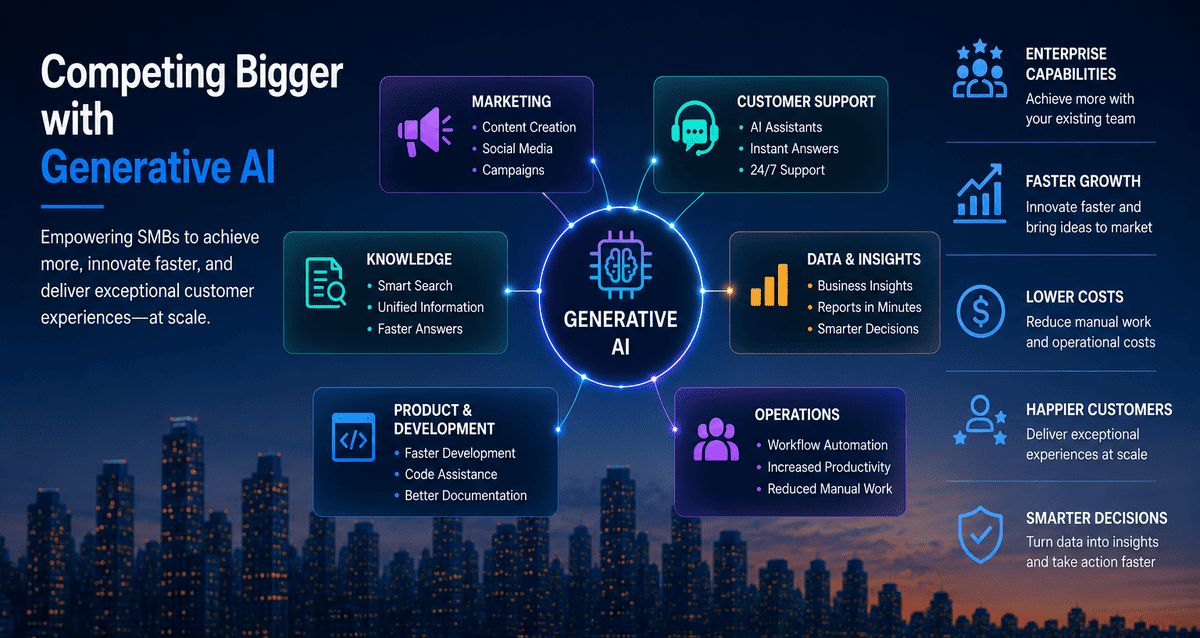
How Generative AI Helps SMBs Compete with Enterprise Businesses
Introduction For decades, one of the biggest challenges facing small and medium-sized businesses (SMBs) has been competing with larger organizations that have significantly greater resources. Large enterprises often have dedicated marketing teams, business analysts, software developers, customer service departments, technical writers,…